New - 7 Hours Ago


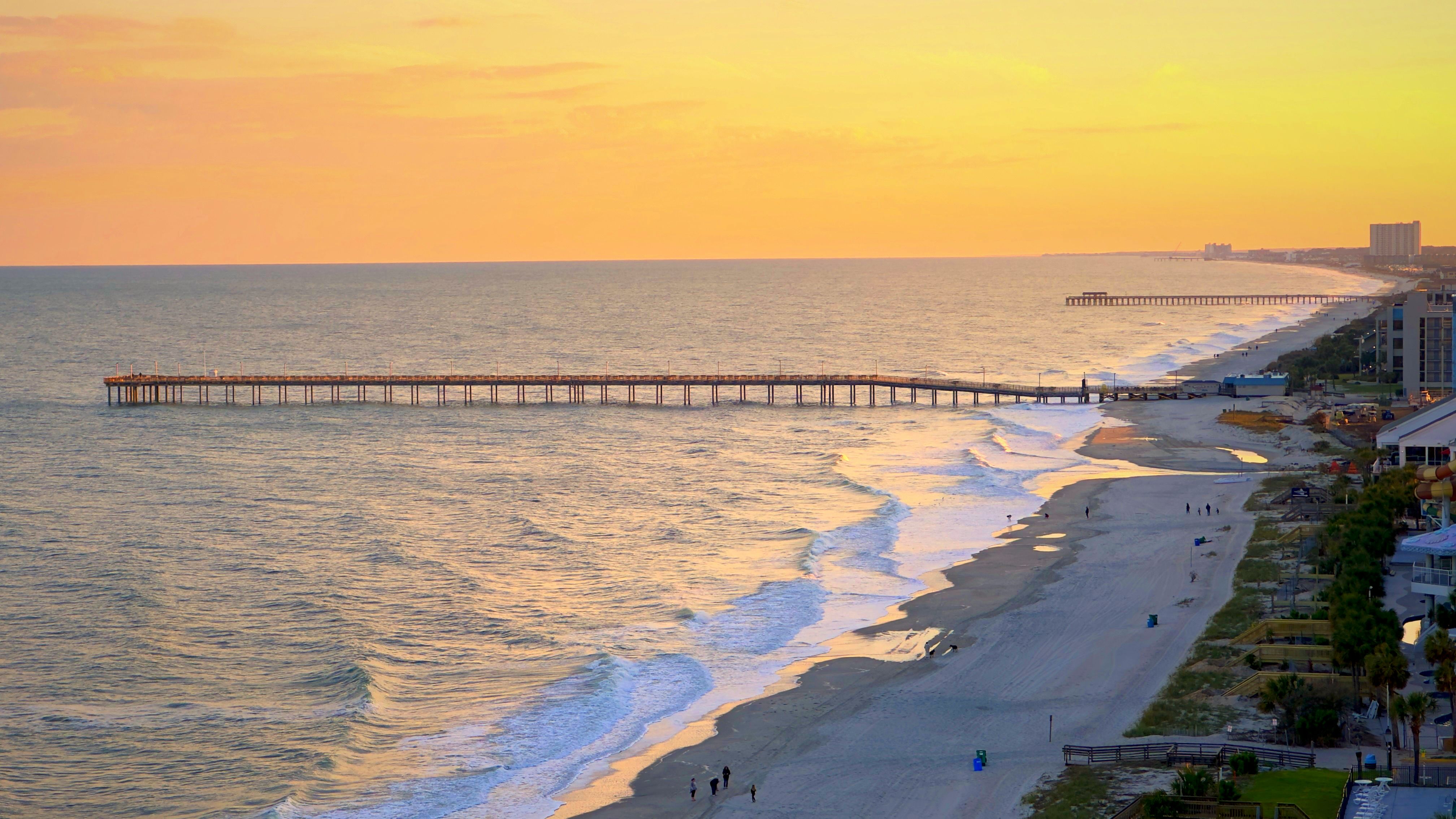
Are you thinking about moving to Myrtle Beach, SC? Find out why thousands of people are choosing the Grand Strand every year — and what you absolutely need to know before you make the move.
Myrtle Beach is no longer just a vacation destination. It has become one of the fastest-growing cities in the entire United States, attracting retirees, remote workers, young families, and career changers from across the country who are trading high costs and cold winters for 60 miles of South Carolina coastline, a genuinely low cost of living, and a community that welcomes newcomers with open arms.
But before you pack the moving truck and head south, there are things about life in Myrtle Beach that the tourism brochures never tell you. This guide covers all of it.
The first thing most people realize after moving to Myrtle Beach is that the Grand Strand is nothing like what they experienced on vacation. The tourist corridor — Ocean Boulevard, the boardwalk, the SkyWheel — is a tiny slice of a 60-mile coastal market that includes dozens of distinct communities. Carolina Forest, Conway, North Myrtle Beach, Murrells Inlet, Surfside Beach, Pawleys Island, Little River, and Georgetown all have their own identity, their own price points, and their own daily rhythms. When people say they are moving to Myrtle Beach, they almost always mean the broader Grand Strand area — not the strip.
Compared to coastal markets in Florida, the Northeast, or California, Myrtle Beach is remarkably affordable. The median home price across the Grand Strand is approximately $300,000 to $360,000 — a number that buys you a spacious single-family home in a good community rather than a starter condo. Groceries, utilities, and dining costs run below the national average. Property taxes for primary residents in South Carolina are among the lowest in the country.
South Carolina does not tax Social Security income. The state offers a $15,000 retirement income deduction for residents 65 and older. There is no estate tax and no inheritance tax. For those retiring to Myrtle Beach from New York, New Jersey, Pennsylvania, or Illinois, the annual tax savings can run into the tens of thousands of dollars. This is the single biggest financial reason people are choosing the Grand Strand over comparable destinations in Florida.
Average January highs in Myrtle Beach are in the low-to-mid 50s, with lows rarely dipping below the 30s. Snow is extremely rare — most winters see none at all. The shoulder seasons — October through May — are beloved by full-time residents as the time when the tourists thin out, the weather is comfortable, and the Grand Strand belongs to the people who actually live here.
The Grand Strand draws approximately 20 million tourists annually, and in June, July, and August, Highway 17 through the tourist corridor can become genuinely frustrating. The solution locals learn quickly is Highway 31 — the Carolina Bays Parkway — which runs parallel to the coast without touching the tourist strip and makes cross-strand commutes manageable year-round. If you are moving here, Highway 31 will become your best friend.
Myrtle Beach sits on the Atlantic coast and is subject to hurricane risk from June through November. The reality is that direct hits to the Grand Strand are relatively infrequent historically — the geometry of the coastline tends to deflect the most severe storms. That said, every resident should have a hurricane plan, carry appropriate insurance, and understand the flood zone designation of any property they purchase. Ask your agent about flood zone status on any home you consider.
If you ask people who moved to the Grand Strand in the past five years where they ended up, a large percentage will say Carolina Forest. This master-planned community west of the city offers large subdivisions, top-rated Horry County schools, community amenities, easy highway access, and prices that are still reasonable compared to beach-adjacent communities. It is the suburban heart of the Grand Strand and consistently the most active real estate market in Horry County.
South Carolina's soil composition and water table make basements essentially impossible throughout most of the state. If you are moving from the Midwest or Northeast and planning to use a basement for storage or extra living space, you will need to adjust. Most Grand Strand homes compensate with larger garages, bonus rooms, and generous attic storage.
If you need local employment, understand that the Myrtle Beach economy runs primarily on tourism and hospitality, healthcare, retail, and construction. Major employers include Grand Strand Medical Center, Conway Medical Center, Coastal Carolina University, and Horry County Schools. Remote workers and retirees have a significant advantage — they bring income from outside the local economy and are not dependent on local wage levels.
Well-priced homes in Carolina Forest, Surfside Beach, North Myrtle Beach, and Murrells Inlet can go under contract within days of listing. If you are relocating from out of state and planning to search remotely over several months, work with a local agent who can alert you immediately to new listings and help you move decisively when the right home appears.
If you are buying an investment property or a second home you plan to rent on Airbnb or VRBO, understand that short-term rental regulations vary dramatically by city and HOA across the Grand Strand. Some communities have strict restrictions. Others are highly STR-friendly. Your agent and a local real estate attorney can walk you through the specifics for any property you are considering.
Access to quality healthcare is the top concern for most retirees considering a move. Grand Strand Medical Center and Conway Medical Center both offer strong facilities. Tidelands Health serves the southern strand and Georgetown County. The healthcare network throughout Horry and Georgetown Counties has expanded significantly as the population has grown. Specialist availability has improved dramatically over the past decade, though some highly specialized care may still require travel to Charleston or Charlotte.
Most first-time visitors think of chain restaurants and tourist food. The reality of living here is entirely different. Murrells Inlet's MarshWalk is a legitimate destination dining experience with outstanding seafood restaurants and live music year-round. Market Common has a strong restaurant and retail community. North Myrtle Beach and Little River have excellent waterfront dining. The Grand Strand's restaurant scene has improved dramatically over the past decade and continues to grow.
Myrtle Beach has been absorbing new residents from across the country for decades, and the community has a natural ease about welcoming people from different places. Your neighbors will likely have moved from New York, Ohio, Pennsylvania, Michigan, and everywhere else. The social integration for newcomers happens faster here than in most markets because so many people are starting fresh together.
This is the thing that surprises most people about moving to Myrtle Beach. They arrive thinking it is a practical choice — lower costs, better weather, convenient location. What they discover is that they have found a place they genuinely love. The lifestyle, the community, the pace, and the fact that you can be at the beach in fifteen minutes — it gets under your skin. People who move here on a trial basis tend to stay permanently.
Yes. Myrtle Beach consistently ranks as one of the fastest-growing and most desirable places to live on the East Coast. The combination of mild winters, 60 miles of coastline, low property taxes, no state tax on Social Security income, and a welcoming community makes it an outstanding place to live for retirees, remote workers, and families alike.
The cost of living in Myrtle Beach is below the national average. The median home price in the Grand Strand area is approximately $300,000 to $360,000. Groceries, utilities, and daily expenses run below national averages. Property taxes for primary residents in South Carolina are among the lowest in the country.
The best neighborhood depends on your priorities. Carolina Forest is the top choice for families and value-focused buyers. Murrells Inlet and Pawleys Island are best for retirees seeking a quieter coastal lifestyle. Surfside Beach is ideal for walkable beach access. Grande Dunes and Tidewater Plantation are the top luxury options.
Before moving to Myrtle Beach, understand that the Grand Strand is much larger than the tourist strip — it covers 60 miles of coastline with dozens of distinct communities. Summer tourist traffic on Highway 17 is heavy from June through August. There are no basements due to South Carolina’s soil composition. The job market is hospitality and healthcare dominated. And hurricane season runs June through November.
Ready to start your search? Browse all Myrtle Beach homes for sale at homesmyrtle.com or contact our team to talk through your move.


