New - 30 Mins Ago

$105,000
Active
1
Beds
1
Baths
510
Sqft
--
Acres
2207 S Ocean Blvd #617, MYRTLE BEACH, SC 29577
MLS#: 2626706


Last updated: November 2026
Tenant improvement money, or a TI allowance, is money a landlord contributes to build out or renovate your space, such as walls, flooring, lighting, plumbing or restrooms. You get it by negotiating it in the letter of intent and lease. Landlords usually offer more TI for longer terms and stronger tenants, and they set rules on how it's paid.
If a space needs work to fit your business, TI money can make the difference between a good deal and a stretch. Here's how it works.
This guide is part of our guide to buying or leasing commercial property in Myrtle Beach.
In this guide:
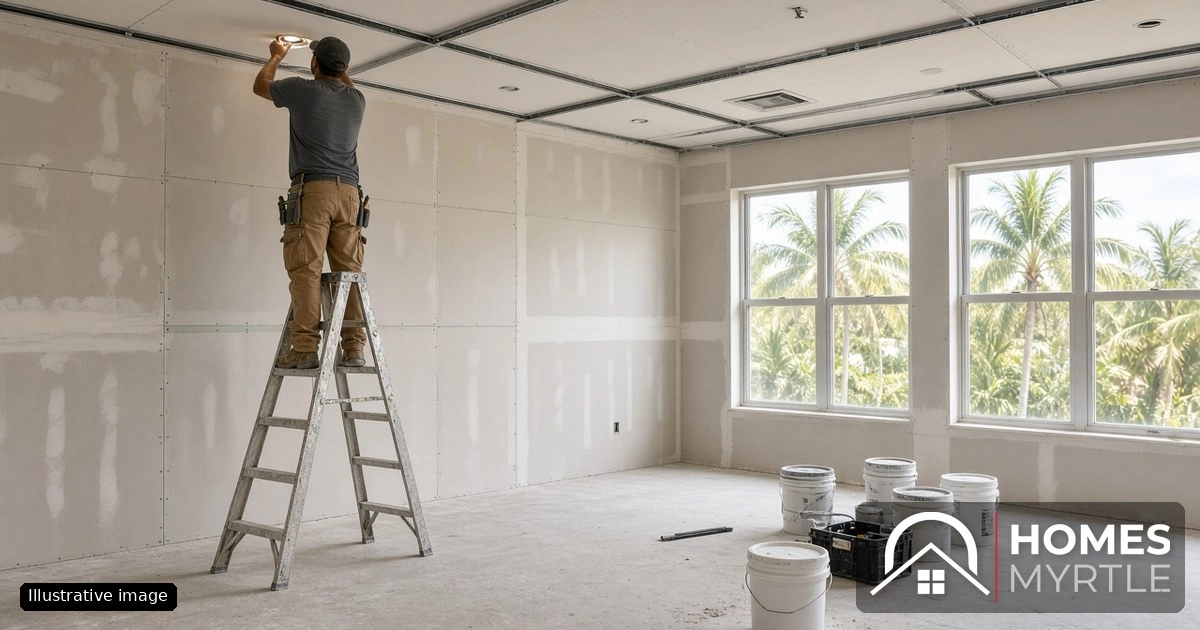
TI usually covers permanent improvements to the space. Examples include interior walls, ceilings, flooring, lighting, electrical, plumbing, restrooms and HVAC distribution. These improvements usually stay with the building when you leave.
Furniture, equipment, signage and moving costs often aren't covered, though some landlords allow part of the allowance for them. Ask how the lease defines eligible costs.
There are a few common structures.
Allowances are often quoted per square foot. We don't quote typical amounts because they vary by property and market.
Landlords weigh TI against the value of your lease. You can usually get more with:
Ask for it in the LOI. See what a letter of intent is.
Talk to Our Team About Commercial Space
Most landlords pay after the work is done, not before. They may require paid invoices, lien waivers from contractors, a certificate of occupancy and proof that you've opened. That means you may need to fund the work up front.
Ask about the timing, the paperwork required and the deadline to use the allowance. Unused TI often goes away.
Get real numbers before you sign. Have a contractor walk the space and price your plan during the LOI or due diligence stage. Build-out often needs permits from the city or county, and a change of use can trigger added code work. See what permits you need to open.
Make sure the rent start date gives you enough time to permit, build and open.
The most common one is underestimating build-out costs. If you sign for an allowance before pricing the work, you may find it covers less than you expected. Get a contractor estimate first, including permits, design fees and a contingency for surprises.
Others include not confirming which costs count toward the allowance, missing the deadline to claim it, and not knowing that you'll front the money until the landlord reimburses you. Some tenants also forget that if they leave early, the lease may require them to repay unamortized TI.
Read the work letter, the exhibit that spells out how construction and the allowance work, as closely as the lease itself.
Talk to Our Team About Commercial Space
It depends on the deal. In a turnkey arrangement, the landlord hires the contractor. With an allowance, you usually do, subject to the landlord's approval of plans and contractors. Managing it yourself gives you more control but more responsibility for schedule and cost.
Check the restoration clause. Some leases let the landlord require you to remove improvements and return the space to its original condition at your cost. Negotiate this up front. See what happens when a commercial lease ends.
Related guides:
Money a landlord contributes toward building out or renovating your space, negotiated in the lease.
Usually not if it's a straight allowance, but if you leave early, some leases require repayment of unamortized TI. Amortized TI is repaid through rent.
Often not, but some landlords allow part of the allowance for it. Check the lease.
Usually after work is complete and documented with invoices, lien waivers and a certificate of occupancy.
Turnkey is simpler, but you have less control over contractors and finishes. An allowance gives you more control and more responsibility.
This article is general information, not legal, tax or financial advice. Rules and requirements change. Talk to a South Carolina attorney, CPA or lender about your situation, and confirm current requirements with the agency involved.
Whether you are leasing your first space, buying a building for your business or adding an investment property, a short call with our team can help you sort out the options and the next steps. No pressure, and no commitment.