


Last updated: November 2026
CAM charges, short for common area maintenance, are your share of the cost to run and maintain shared parts of a property, like the parking lot, landscaping, lighting and trash. They go up when the landlord's costs rise, such as insurance, labor, utilities or repairs. Caps, exclusions and audit rights in the lease help control them.
CAM charges are one of the least understood parts of a commercial lease. Here's what they include, why they change and what you can ask for.
This guide is part of our guide to buying or leasing commercial property in Myrtle Beach.
In this guide:
- What do CAM charges usually cover?
- How is your share calculated?
- Why do CAM charges go up?
- What can you negotiate?
- How do you check CAM before signing?
- How do CAM charges affect your total cost?
- What should you watch for in older centers?
- What terms should you know?
- What if you think a CAM bill is wrong?
- What else do people ask about this?
- Ready to talk about commercial space on the Grand Strand?
What do CAM charges usually cover?
CAM covers the costs of shared areas you and other tenants use. Common items include:
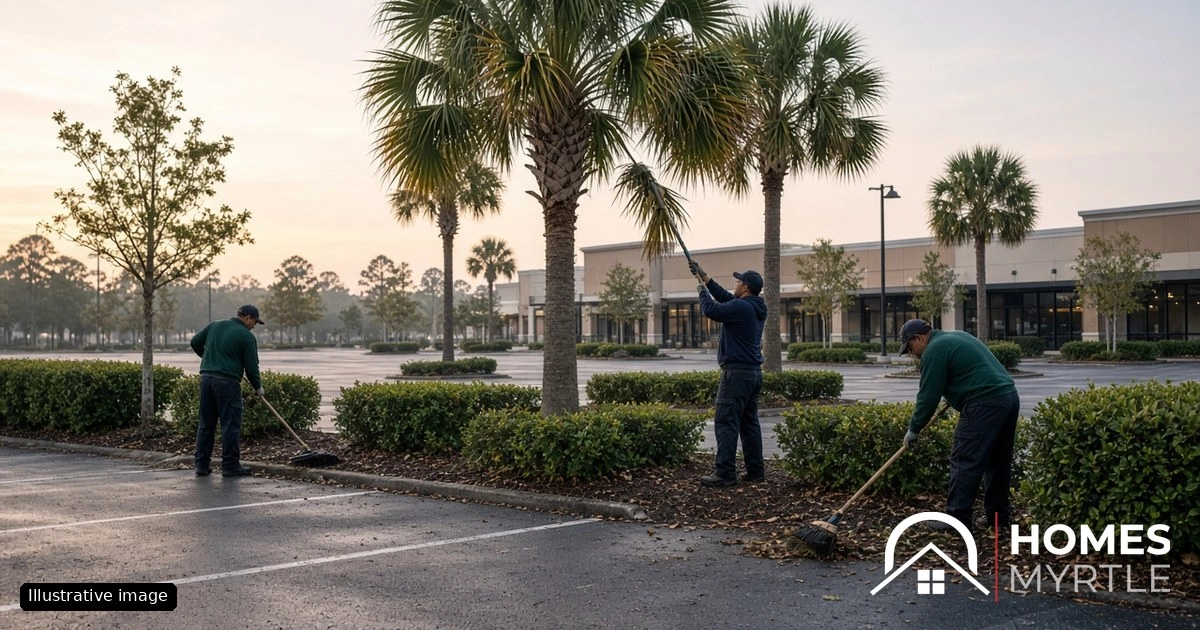
- Parking lot maintenance, sweeping, striping and lighting.
- Landscaping and irrigation.
- Common-area utilities, like exterior lights.
- Trash removal.
- Security, if any.
- Repairs to shared areas.
- Property management fees.
Depending on the lease, taxes and insurance may be billed as part of CAM or separately. Check how your lease groups them.
How is your share calculated?
Most leases use your pro rata share. That's usually your space's square footage divided by the property's total leasable square footage. Check which number the landlord uses for the property total, because a smaller total means a bigger share for you.
You'll typically pay a monthly estimate, then the landlord reconciles after the year ends. If actual costs were higher, you may get a bill. If lower, a credit.
Why do CAM charges go up?
CAM rises when the landlord's actual costs rise. Common reasons include higher insurance premiums, labor and contractor costs, utility rates, and repairs after storms or wear. On the coast, wind and storm damage to parking lots, signage and landscaping can drive costs.
Some increases come from the lease itself, like a landlord passing through capital projects or a management fee that's a percentage of other costs. Those are worth negotiating up front.
Talk to Our Team About Commercial Space
What can you negotiate?
Most CAM protections need to be in the lease before you sign. Ask about:
- A cap on how much controllable CAM can rise each year.
- Exclusions for capital improvements, landlord's legal fees, costs to lease other spaces, and costs covered by insurance or warranties.
- Audit rights so you can review the landlord's records.
- A clear reconciliation deadline so you aren't surprised years later.
- Limits on management fees.
How do you check CAM before signing?
Ask for history. Request the current CAM estimate and the last year or two of actual reconciled costs. Ask what's driving any recent increases and whether major projects like a parking lot repaving are planned.
Compare CAM across spaces you're considering. See NNN vs gross vs modified gross leases.
How do CAM charges affect your total cost?
CAM can be a large share of what you pay each month. Two spaces with the same base rent can have very different total costs because of CAM. Always ask for CAM as part of the full occupancy cost, and compare spaces on that number.
Look at the trend, not just the current estimate. A center that has been well maintained may have steady CAM, while one with deferred maintenance could see costs rise as repairs catch up. Ask what major work is planned and how it will be billed.
Talk to Our Team About Commercial Space
What should you watch for in older centers?
Older properties can carry bigger repair needs. Parking lots, roofs, lighting and drainage all wear out. If the lease lets the landlord pass capital replacements through CAM, you could pay a share of a large project. Ask for an exclusion or for capital costs to be spread over their useful life, and ask about any recent storm repairs.
An inspection of the common areas, along with the landlord's maintenance history, can help you predict what's coming. See inspections before you lease or buy.
What terms should you know?
- Pro rata share: Your share of shared costs, usually your square footage divided by the property's leasable square footage.
- Controllable expenses: Costs the landlord can manage, like landscaping and management, as opposed to taxes and insurance.
- Gross-up: A clause that adjusts variable costs as if the building were fully occupied, so remaining tenants aren't overcharged or undercharged. Read how your lease uses it.
- Base year: In some gross leases, the year used as the starting point for passing through later cost increases.
What if you think a CAM bill is wrong?
Start by asking for the backup. Request the detailed reconciliation and invoices. If your lease includes audit rights, follow its process and deadlines.
Many disputes come down to whether a cost is allowed under the lease's definition of operating expenses. That's why that definition matters so much when you negotiate.
Related guides:
- What Is a Triple Net Lease, and How Does It Affect What I Pay in Myrtle Beach?
- What's the Difference Between NNN, Gross and Modified Gross Leases in Myrtle Beach?
- How Long Are Commercial Leases in Myrtle Beach, and Can I Negotiate the Terms?
- How Do I Buy or Lease Commercial Property in Myrtle Beach?
What else do people ask about this?
What does CAM stand for?
Common area maintenance. It's your share of costs to run shared areas of a commercial property.
Are CAM charges negotiable?
The costs themselves usually aren't, but caps, exclusions, audit rights and how your share is calculated often are.
What is a CAM reconciliation?
The landlord's yearly comparison of what you paid in estimates against actual costs, followed by a bill or a credit.
Do gross leases have CAM charges?
Usually not separately, but some gross leases pass through increases above a base year or expense stop.
What is a controllable CAM cap?
A limit on how much costs the landlord controls, like landscaping or management, can rise each year. Taxes and insurance are often excluded.
This article is general information, not legal, tax or financial advice. Rules and requirements change. Talk to a South Carolina attorney, CPA or lender about your situation, and confirm current requirements with the agency involved.
Ready to talk about commercial space on the Grand Strand?
Whether you are leasing your first space, buying a building for your business or adding an investment property, a short call with our team can help you sort out the options and the next steps. No pressure, and no commitment.