New - 30 Mins Ago

$105,000
Active
1
Beds
1
Baths
510
Sqft
--
Acres
2207 S Ocean Blvd #617, MYRTLE BEACH, SC 29577
MLS#: 2626706


Last updated: November 2026
Yes. Buyers should always inspect, and tenants should too, especially in a triple net lease where you may be responsible for HVAC, plumbing or the roof. A commercial inspection looks at the structure, roof, mechanical systems, code and accessibility issues, so you know what you're taking on before your inspection or due diligence period ends.
Many first-time tenants assume inspections are only for buyers. On the Grand Strand, where salt air, wind and heat are hard on buildings, skipping one can be an expensive mistake.
This guide is part of our guide to buying or leasing commercial property in Myrtle Beach.
In this guide:
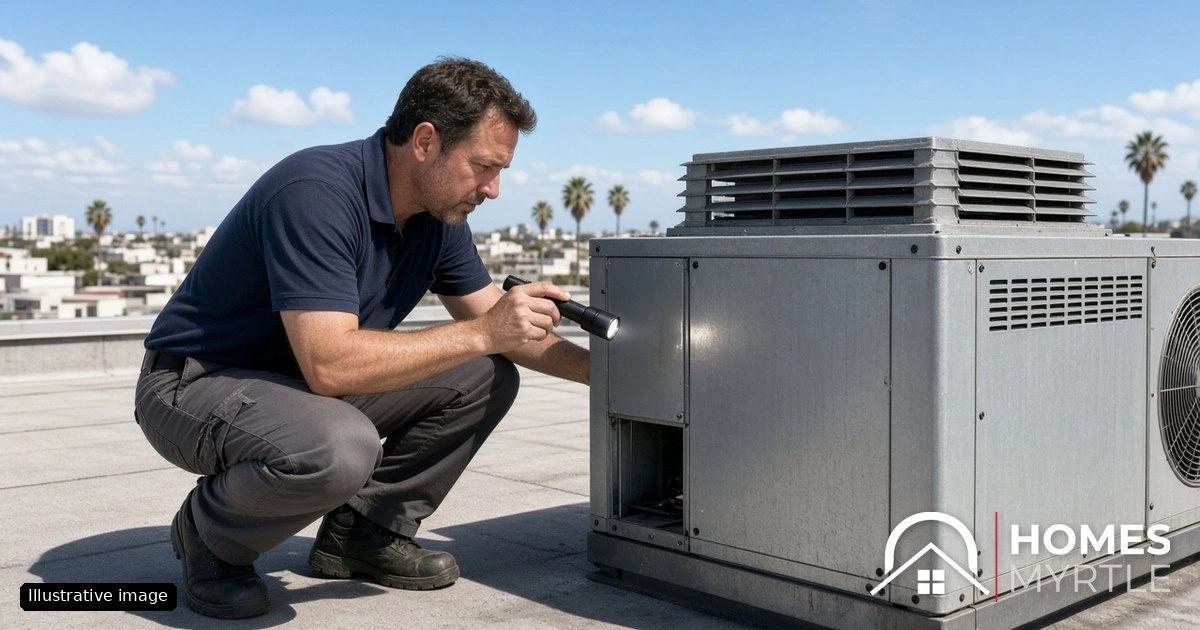
Your lease may make you pay for systems you didn't choose. Many commercial leases, especially triple net leases, make the tenant responsible for HVAC maintenance and repair, plumbing and electrical inside the space, and sometimes more. If a rooftop unit fails in your first summer, the lease decides who pays.
An inspection before you sign tells you what condition things are in and gives you leverage to ask the landlord to fix items first or to cap your responsibility. See what a triple net lease is.
A commercial inspection, often called a property condition assessment, looks at the building as a whole. Common items include:
Scope varies by inspector and property, so agree on it in writing before the inspection.
Coastal conditions add their own checklist. Salt air can corrode HVAC coils, electrical equipment and metal fasteners. Wind exposure matters for the roof, windows and signage. Heavy rain and storm surge raise drainage and flood questions.
Check the property's flood zone on the FEMA Flood Map Service Center, and ask for any elevation certificate and the building's history of storm damage and insurance claims. Flood insurance and wind coverage can affect your costs as a buyer, or your pass-through charges as a tenant.
Talk to Our Team About Commercial Space
A general inspection is just the start for many properties. Depending on the building and your plans, you may also want:
Before you're locked in. For a purchase, inspections happen during the due diligence period, which you negotiate in the contract. For a lease, try to inspect before you sign, or build an inspection contingency into the letter of intent.
Leave time for follow-up. If the general inspector flags the roof, you'll want a roofer out before the deadline. Read how long to ask for due diligence.
Inspections are visual and non-invasive unless you ask for more. An inspector generally won't open walls, test soil or confirm every system's remaining life. Hidden plumbing problems, slab issues and concealed water damage can be missed.
If the building is older, has a history of storm damage or will house a demanding use like a restaurant, consider specialists: a sewer line camera, a roof inspection, an electrical evaluation or an HVAC contractor's assessment. Ask the landlord or seller for maintenance records, warranties and past repair invoices too.
For tenants, the inspection also helps document the space's condition at move-in, which can matter when the lease ends and the landlord decides what you owe.
Talk to Our Team About Commercial Space
Usually the buyer or tenant who orders it. Costs depend on the size and type of property and the scope you choose, so get quotes before your inspection period starts. Treat it as part of the cost of the deal. Compared with replacing a roof or HVAC system you didn't know about, it's usually a small expense.
An inspection report is a negotiating tool. As a buyer, you can ask for repairs, a price adjustment or credits, or walk away within your due diligence period. As a tenant, you can ask the landlord to repair items before you take possession, cap your HVAC responsibility, or include a warranty on major systems.
Get any agreed fixes into the lease or contract in writing.
Related guides:
It's a good idea, especially in a triple net lease where you may be responsible for HVAC, plumbing or other systems.
A commercial inspection that reviews the building's roof, structure, mechanical systems, site and visible code and accessibility issues.
The state's Residential Property Condition Disclosure Act covers residential property. Commercial buyers generally rely on their own inspections and due diligence. Ask your attorney about your specific deal.
Enter the address on the FEMA Flood Map Service Center, and ask the seller or landlord for any elevation certificate.
Use it to negotiate repairs, credits or a price change, or walk away within your due diligence or inspection period.
This article is general information, not legal, tax or financial advice. Rules and requirements change. Talk to a South Carolina attorney, CPA or lender about your situation, and confirm current requirements with the agency involved.
Whether you are leasing your first space, buying a building for your business or adding an investment property, a short call with our team can help you sort out the options and the next steps. No pressure, and no commitment.