


Last updated: November 2026
In most commercial purchases, yes. A Phase I environmental site assessment reviews a property's history and current conditions for signs of contamination. It's often required by lenders and is a key step if you want certain liability protections under federal law. Most Phase I reports today follow the ASTM E1527-21 standard.
Environmental problems can follow a property, and its owner, for years. Here's what a Phase I is and why it matters before you buy.
This guide is part of our guide to buying or leasing commercial property in Myrtle Beach.
In this guide:
- What is a Phase I environmental site assessment?
- Why does a Phase I matter for liability?
- Do lenders require a Phase I?
- Which properties are higher risk?
- What happens if the Phase I finds something?
- How long is a Phase I good for?
- Who prepares a Phase I, and what does it cost?
- What does a Phase I report include?
- What terms should you know?
- Is there a Phase I for tenants?
- What else do people ask about this?
- Ready to talk about commercial space on the Grand Strand?
What is a Phase I environmental site assessment?
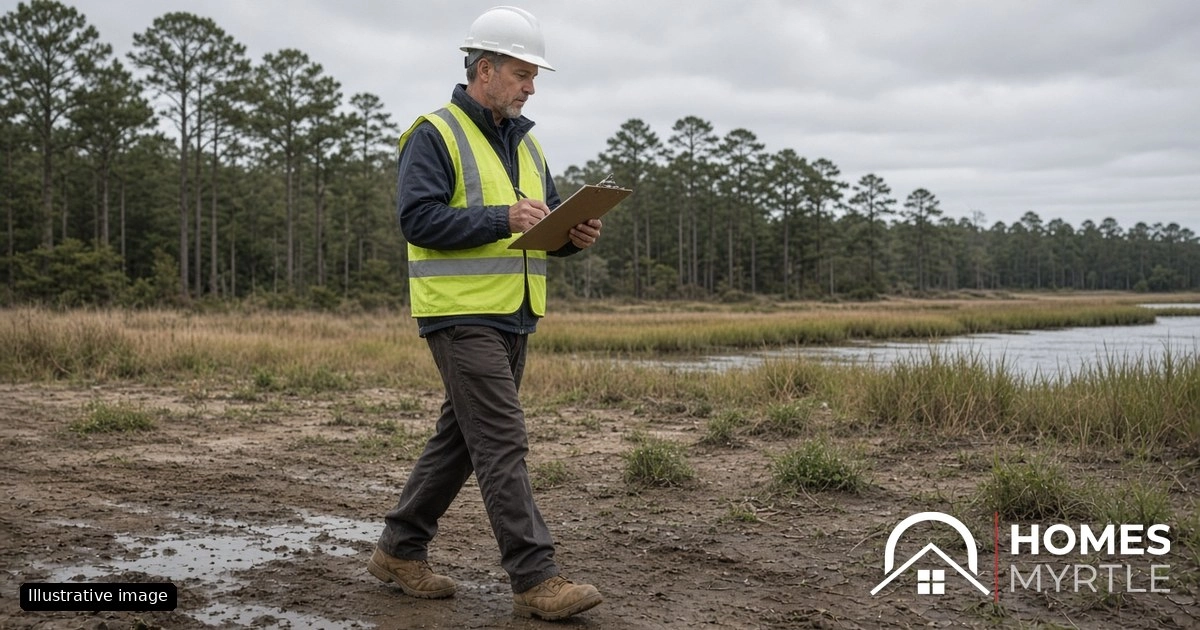
A Phase I is a research-based review, not a soil test. An environmental professional reviews historical records, government databases, aerial photos and maps, interviews owners and occupants, and visits the site. The goal is to identify recognized environmental conditions, meaning signs that hazardous substances or petroleum may be present.
Most Phase I reports follow ASTM International's standard practice, ASTM E1527-21.
Why does a Phase I matter for liability?
Under federal law, owners can be liable for contamination they didn't cause. The federal Superfund law, CERCLA, offers certain defenses, including for bona fide prospective purchasers and innocent landowners, if the buyer conducted "all appropriate inquiries" before buying.
The EPA's All Appropriate Inquiries rule, at 40 CFR Part 312, recognizes ASTM E1527-21 as a way to meet that requirement. Ask your attorney how this applies to your purchase.
Do lenders require a Phase I?
Many commercial lenders do. The SBA also has environmental review requirements for loans secured by commercial real estate, and the level of review can depend on the property type. Ask your lender early what they'll require so it fits in your due diligence period.
Talk to Our Team About Commercial Space
Which properties are higher risk?
Past uses matter more than current appearance. Properties that were once gas stations, auto repair shops, dry cleaners, manufacturing sites or used for storing fuel or chemicals often get extra attention. So can properties next to them.
Vacant land isn't automatically clean. Past farming, dumping or nearby industrial uses can show up in the records.
What happens if the Phase I finds something?
The report may recommend a Phase II. A Phase II involves sampling soil, groundwater or building materials to test for contamination. Depending on the results, you can negotiate cleanup, a price change or indemnities, or walk away within due diligence.
In South Carolina, the state agency that oversees environmental cleanup and brownfields programs can also be part of the conversation. Your environmental consultant and attorney can advise you.
How long is a Phase I good for?
Timing matters for liability protection. Under the federal AAI rule, a Phase I generally needs to be completed within one year before you acquire the property, and certain parts must be updated if they're more than 180 days old at closing. Order it early enough to finish within due diligence, but close enough to closing to stay current.
Talk to Our Team About Commercial Space
Who prepares a Phase I, and what does it cost?
A Phase I is prepared by an environmental professional who meets the qualifications in the federal AAI rule. Your lender may have an approved list. Cost depends on the size, history and complexity of the property, so get quotes before you sign the purchase contract. We don't quote typical prices here.
What does a Phase I report include?
Most reports follow a similar structure. Expect a site description, a review of historical uses through sources like old aerials and maps, a search of environmental databases, interview notes, site visit observations, findings and conclusions. The conclusions identify any recognized environmental conditions and may recommend further work. Read the findings section closely, and ask the consultant to explain anything you don't understand.
What terms should you know?
- Recognized environmental condition (REC): A sign that hazardous substances or petroleum may be present, as defined in ASTM E1527-21.
- All appropriate inquiries (AAI): The federal standard of pre-purchase investigation, set out in 40 CFR Part 312.
- Phase II: A follow-up assessment that samples soil, groundwater or materials to test for contamination.
- Brownfield: A property where reuse may be complicated by actual or suspected contamination.
Is there a Phase I for tenants?
Tenants rarely order one, but they sometimes should. If you're leasing a space with an industrial or automotive history, or your business uses chemicals, ask the landlord for existing reports and talk to your attorney about environmental terms in the lease.
Related guides:
- What Is Due Diligence on a Commercial Property, and How Long Should I Ask For in Myrtle Beach?
- Do I Need an Inspection Before I Lease or Buy a Commercial Space in Myrtle Beach?
- How Is Financing Commercial Property Different From a Home Loan (SBA 504 and 7(a))?
- How Do I Buy or Lease Commercial Property in Myrtle Beach?
What else do people ask about this?
What is ASTM E1527-21?
The current ASTM International standard practice for Phase I environmental site assessments.
Does a Phase I include soil testing?
No. A Phase I is a records review, interviews and site visit. Sampling is part of a Phase II.
Do I need a Phase I for a small commercial building?
Often, yes, especially if a lender requires one or you want federal liability protections. Ask your lender and attorney.
How long is a Phase I valid?
Under the federal AAI rule, generally within one year before acquisition, with certain parts updated if older than 180 days.
What is a recognized environmental condition?
A sign that hazardous substances or petroleum may be present on the property, as defined in the ASTM standard.
This article is general information, not legal, tax or financial advice. Rules and requirements change. Talk to a South Carolina attorney, CPA or lender about your situation, and confirm current requirements with the agency involved.
Ready to talk about commercial space on the Grand Strand?
Whether you are leasing your first space, buying a building for your business or adding an investment property, a short call with our team can help you sort out the options and the next steps. No pressure, and no commitment.