New - 30 Mins Ago

$105,000
Active
1
Beds
1
Baths
510
Sqft
--
Acres
2207 S Ocean Blvd #617, MYRTLE BEACH, SC 29577
MLS#: 2626706


Last updated: November 2026
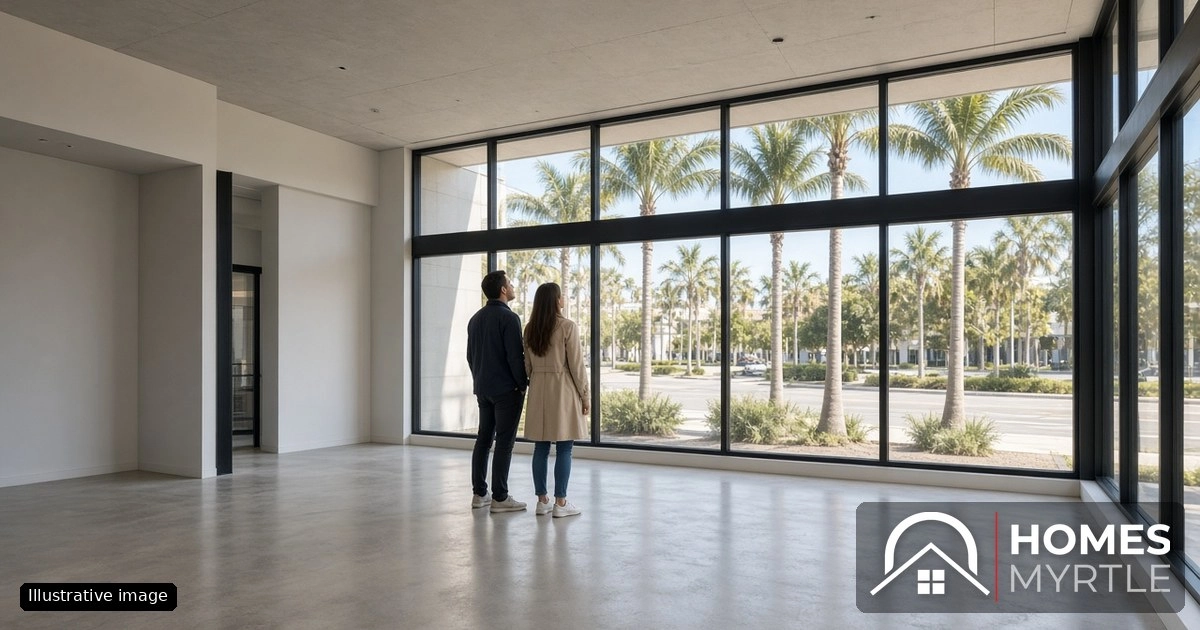
When you tour a commercial space, look past the finishes. Check access and parking, visibility, the layout's fit for your operations, HVAC, electrical and plumbing capacity, restrooms and accessibility, signage options and signs of water or roof problems. Then ask about zoning for your use and the full monthly cost, not just base rent.
A tour is your best chance to rule a space in or out before you spend money on inspections or attorneys. Bring this checklist and take photos as you go.
This guide is part of our guide to buying or leasing commercial property in Myrtle Beach.
In this guide:
Start in the parking lot. Notice how easy it is to turn in from the road, whether there's a light or median break, and how traffic flows at the times your customers would come. Count how many spaces are realistically available to your business.
Look at visibility from the main road in both directions, where your sign could go, and the condition of the lot, sidewalks and landscaping. Those affect both customers and, in a net lease, your CAM charges. See parking, signage and visibility.
Walk through a normal day in your head. Where do customers enter, wait and pay? Where do employees park and take breaks? Where do deliveries come in? Is there room for storage?
Moving walls and adding plumbing cost money, so a space that already fits your workflow can be cheaper than a cheaper space that needs heavy build-out. Ask whether the landlord offers tenant improvement money.
Mechanical systems are where hidden costs live. Ask:
Look for water stains on ceiling tiles, musty smells and rust around rooftop units. On the coast, salt air and storms are hard on roofs and equipment.
Talk to Our Team About Commercial Space
Ask for the full monthly picture. That includes base rent, the lease type, estimated NNN or CAM charges, the last year or two of actual operating costs, utilities you'd pay directly and any annual rent increases.
Our guides on triple net leases and CAM charges explain what to look for.
Find out what the space was used for before. If your business is a different use, you may need zoning approval or a change-of-use permit, and possibly upgrades for fire separation or exits. Ask why the previous tenant left and how long the space has been empty.
Then confirm zoning with the city or county that controls the address. See how zoning works in Horry County.
Bring a list of your must-haves and a way to record what you see. A simple scorecard helps you compare spaces later: location and access, parking, visibility, layout fit, condition, systems, signage, likely build-out and estimated total monthly cost.
Take photos and short videos of each room, the ceiling, rooftop units if you can see them, restrooms, the electrical panel and the parking lot. Note the date and time, especially if you're judging traffic. A tape measure and a floor plan, if the landlord has one, help you check whether your equipment and furniture will fit.
If you can, bring your contractor or a trusted advisor on a second tour of your top choices.
Talk to Our Team About Commercial Space
Some signs are worth slowing down for. Watch for stained or sagging ceiling tiles, standing water near the building, rusted rooftop equipment, cracked slabs, strong odors, a lot of vacancy in the center, or a landlord who can't answer basic questions about costs and repairs. None of these is automatically a deal-breaker, but each deserves a follow-up question and, if you move forward, an inspection.
Your neighbors affect your business. In a shopping center, nearby tenants can bring you customers or compete with you. Ask whether the landlord will give you an exclusive for your type of business.
Ask about plans for the property and the area: road projects, new developments nearby, and whether the owner plans to sell or renovate. If you're tempted to buy instead, see whether to lease or buy.
Related guides:
Whether the space fits how your business operates, including access, parking and layout, and whether zoning allows your use.
Yes. Ask the age of the units, who maintains them and who replaces them under the lease.
Ask for base rent, the lease type, estimated NNN or CAM charges and the last year or two of actual operating costs.
A different use can require zoning approval or a change-of-use permit, which may mean upgrades to the space.
A clause that stops the landlord from leasing nearby space in the same property to a competing business.
This article is general information, not legal, tax or financial advice. Rules and requirements change. Talk to a South Carolina attorney, CPA or lender about your situation, and confirm current requirements with the agency involved.
Whether you are leasing your first space, buying a building for your business or adding an investment property, a short call with our team can help you sort out the options and the next steps. No pressure, and no commitment.