New - 30 Mins Ago

$105,000
Active
1
Beds
1
Baths
510
Sqft
--
Acres
2207 S Ocean Blvd #617, MYRTLE BEACH, SC 29577
MLS#: 2626706


Last updated: November 2026
The main types of commercial space are retail, office, flex, industrial and mixed-use. Retail serves walk-in customers and depends on visibility and parking. Office suits professional services. Flex combines office and warehouse space. Industrial covers warehouses and manufacturing. Mixed-use combines shops or offices with residences. Each has its own lease norms and zoning needs.
If you're new to commercial real estate, the terms can blur together. Here's what each type means, what kind of business it fits and what to think about on the Grand Strand.
This guide is part of our guide to buying or leasing commercial property in Myrtle Beach.
In this guide:
Retail space is built for customers who walk in. It includes storefronts in shopping centers, freestanding buildings, outparcels in front of larger centers and street-level shops in walkable areas. Restaurants are usually grouped here, though they need extra infrastructure like hoods and grease traps.
Retail lives on visibility, access and parking. In a tourism market, foot and car traffic can shift a lot by season and by location. Retail leases are often triple net. See parking, signage and visibility.
Office space serves businesses whose customers visit by appointment or not at all. Think professional services, medical and dental practices, financial firms and small company headquarters. It ranges from single suites in multi-tenant buildings to standalone buildings.
Medical office is its own category, with plumbing, accessibility and sometimes zoning needs that general office doesn't have. Office leases vary: full-service gross, modified gross and net are all common. Our guide on lease types explains them.
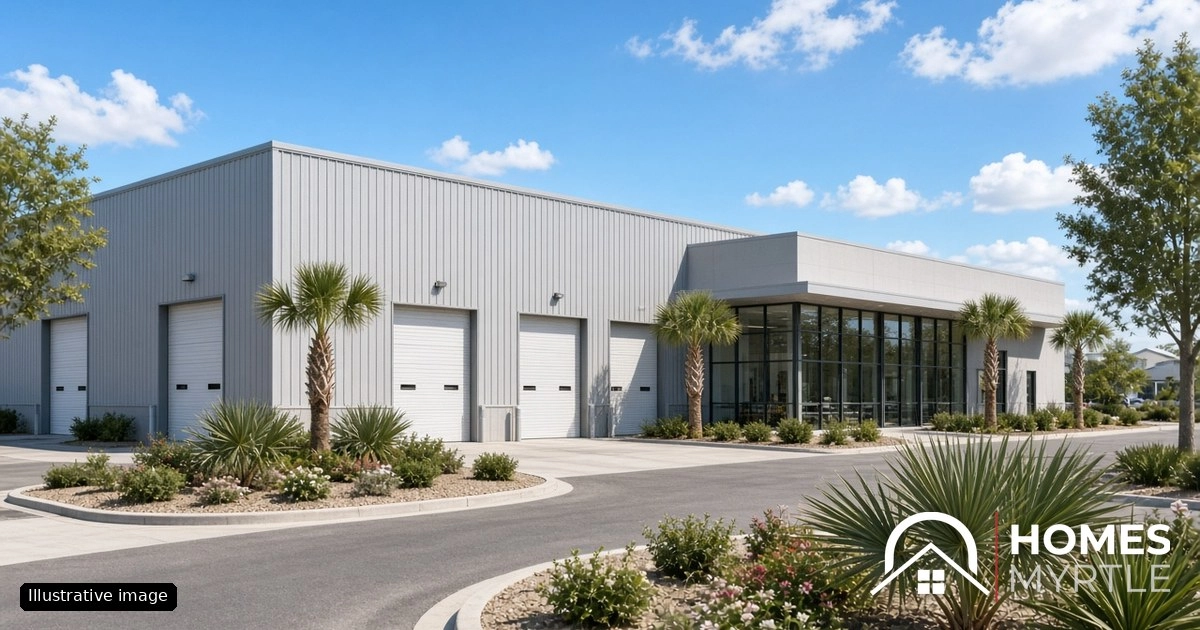
Flex space combines a front office or showroom with warehouse or shop space behind it. It usually has roll-up doors and higher ceilings in the back. It's popular with contractors, service companies, small distributors and e-commerce businesses that need both a desk and storage.
Check door sizes, ceiling height, power and whether the zoning allows your specific activity in the back, especially if it involves fabrication, vehicles or anything noisy.
Talk to Our Team About Commercial Space
Industrial space covers warehouses, distribution and manufacturing. Key details include clear height, loading docks or drive-in doors, truck access, floor load capacity, power and sprinklers.
Industrial uses usually need industrial zoning, and some uses need environmental or state permits. If you're buying industrial property, a Phase I environmental site assessment is especially important. See Phase I environmental reports.
Mixed-use property combines uses, most often shops or offices on the ground floor with apartments or condos above. It's common in walkable downtown areas and newer planned developments.
For investors, mixed-use can spread risk across commercial and residential tenants. It also means two sets of rules, two kinds of leases, and sometimes different financing. Zoning has to allow both uses.
Some commercial real estate doesn't fit the main categories. Vacant commercial land, hotels and motels, self-storage, car washes, churches and marinas are often treated as special-purpose property, with their own valuation and financing.
Buying land to build on adds zoning, utility, environmental and permitting questions. Plan for a longer due diligence period.
Talk to Our Team About Commercial Space
Each property type has its own conventions, though every lease is negotiable. Retail and restaurant space is often leased on a triple net basis, with tenants sharing taxes, insurance and common area costs. Office space is more often leased gross or modified gross. Flex and industrial leases are frequently net, with tenants responsible for much of their own space.
That's why comparing a retail space with an office suite on base rent alone can mislead you. Read what a triple net lease is before you compare.
Build-out needs differ too. Restaurants and medical uses tend to need the most work, while a flex space may need little more than paint and lighting.
Seasonality matters more here than in many markets. Retail and restaurant traffic near the beach can rise and fall with tourism, while office, flex and industrial users often serve local residents and other businesses year-round. Think about where your customers come from and when. Flood zone and wind exposure are also worth checking for any property type on the coast.
Start with how your business operates day to day. Ask how customers reach you, what deliveries you get, what equipment you run, how much parking you need and whether you'll grow. That usually points to one or two property types.
Then confirm the zoning for your exact use and compare a few options. Our touring checklist helps you compare spaces side by side.
Related guides:
Flex space combines office or showroom space with warehouse space and suits smaller users. Industrial space is mainly warehouse, distribution or manufacturing, with more emphasis on loading, clear height and truck access.
Usually, yes, but restaurants need extra infrastructure such as hoods, grease traps and more plumbing and power.
A separate lot, usually in front of a larger shopping center, often used for restaurants, banks or other freestanding businesses.
Property that combines uses, such as shops on the ground floor and apartments above.
Often, yes. Confirm your specific use is allowed at the address with the city or county that controls it.
This article is general information, not legal, tax or financial advice. Rules and requirements change. Talk to a South Carolina attorney, CPA or lender about your situation, and confirm current requirements with the agency involved.
Whether you are leasing your first space, buying a building for your business or adding an investment property, a short call with our team can help you sort out the options and the next steps. No pressure, and no commitment.