New - 1 Day Ago


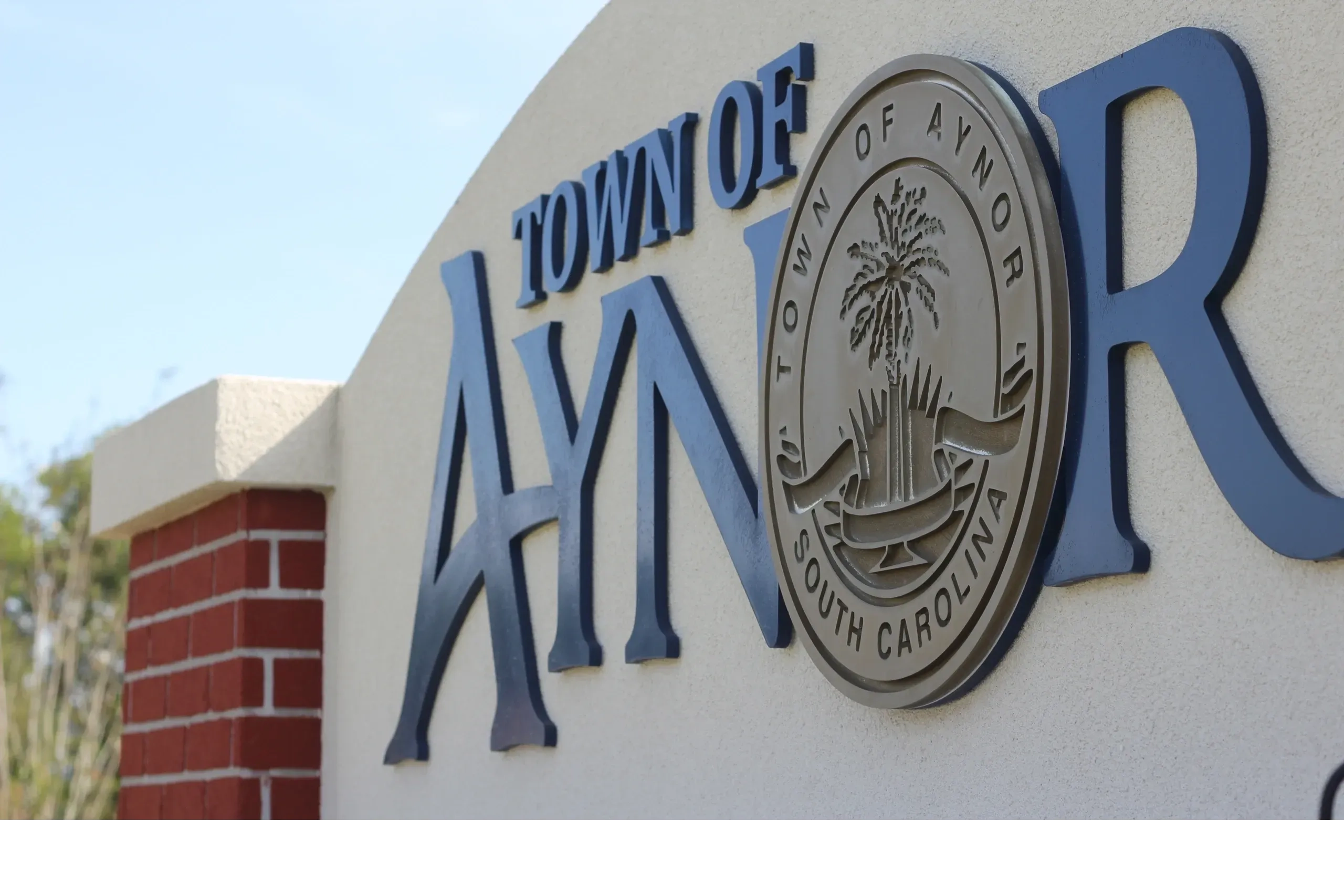
If you've been searching for affordable small-town living within reach of the South Carolina coast, Aynor, SC has probably shown up on your radar. Tucked into the northern part of Horry County along US-501, Aynor sits about 25 miles inland from Myrtle Beach — far enough to feel truly rural, close enough to tap into the Grand Strand's jobs and amenities.
This guide covers the honest pros and cons of living in Aynor based on what buyers actually encounter: housing costs, school quality, community culture, the real commute to the beach, and the everyday trade-offs of small-town life. Whether you're relocating to the Myrtle Beach area or comparing communities along the 501 corridor, this breakdown will help you decide if Aynor is the right fit.
Aynor consistently offers some of the lowest price-per-acre values in Horry County. Buyers who want a half-acre lot, a fenced yard, or room for a detached garage will find far more buying power here than in Myrtle Beach, Conway, or any community closer to the coast. Single-family homes on generous lots, manufactured homes on acreage, and newly built affordable construction all appear regularly in the Aynor market. For first-time buyers or those downsizing out of a higher-cost metro, the value proposition is straightforward.
The Aynor school cluster within the Horry County School District is a genuine draw for families. Aynor High School and its feeder schools carry a reputation for community involvement, reasonable class sizes relative to the larger district, and competitive academic programs. Parents moving from larger suburban areas often find the smaller school environment more personal and navigable. If school quality is a top priority, Aynor holds up well compared to other affordable Horry County communities.
Small towns either have community identity or they don't — Aynor clearly does. The Aynor Harvest Hoe-Down, held each October in downtown Aynor, is one of South Carolina's longest-running fall festivals. It draws tens of thousands of visitors with live entertainment, a parade, carnival rides, and local vendors, and it reflects something genuine about how the town sees itself. Beyond the festival, Aynor residents frequently cite the sense of neighborliness and the lack of anonymity that comes with small-town life as one of the biggest reasons they stay.
If the density, traffic, and noise of the Myrtle Beach–Conway corridor wear on you, Aynor is a reset. The area is largely open farmland and timber tracts, and residential development remains comparatively sparse. Neighbors aren't stacked on top of each other, there's no HOA-managed subdivision feel (in most neighborhoods), and the pace of daily life is genuinely slower. For remote workers, retirees seeking peace, or families who want outdoor space, this setting is a deliberate choice rather than a compromise.
US-501 is the main artery connecting Aynor to Conway (roughly 12–15 miles southeast) and ultimately to Myrtle Beach. Conway offers a full-range grocery store, medical facilities including Conway Medical Center, more dining options, and government services. Most Aynor residents treat Conway as their primary service hub, and the drive is straightforward on a highway that, outside of peak tourist season, moves well. The 501 corridor also provides direct access to the Myrtle Beach International Airport and the broader Grand Strand job market.
Living in Aynor means the beach is a road trip, not a quick errand. The nearest public beach access at Myrtle Beach is approximately 35–45 minutes by car under normal conditions — longer on summer weekends when US-501 traffic backs up significantly. For buyers who picture spontaneous afternoon beach runs, this commute recalibrates expectations quickly. It's a workable distance for occasional visits, but it's a genuine trade-off compared to coastal or near-coastal communities.
Aynor's commercial footprint is small. There are no major grocery chains, no big-box retail, and the dining scene is limited to a handful of local options. Residents routinely drive to Conway or further into the Myrtle Beach area for routine errands — groceries, pharmacy, hardware, clothing. This isn't unusual for a town of Aynor's size, but buyers coming from suburban backgrounds should plan their weekly routines accordingly. The convenience of a 10-minute errand run simply doesn't exist in Aynor.
There is no public transit serving Aynor, and the town is not walkable by any meaningful measure. A personal vehicle is mandatory for every aspect of daily life, from commuting to school drop-offs to any shopping or medical appointment. Households without reliable transportation face significant challenges. For most buyers this is simply the reality of rural living, but it's worth stating plainly: if driving is a hardship for any household member, Aynor is a difficult fit.
Aynor itself has very few employers. Most residents who work locally commute to Conway, Loris, or the Myrtle Beach area. The Grand Strand's dominant industries — hospitality, healthcare, construction, and retail — are largely centered along the coast and in Conway. Remote work has made Aynor more viable as a primary residence for knowledge workers, but for anyone reliant on in-person local employment, the job market requires a commute.
The US-501 corridor between Conway and Aynor is under active development pressure as the Myrtle Beach metro continues to expand inland. New subdivisions, commercial strips, and infrastructure projects are pushing outward, and some of the rural character that makes Aynor appealing today may shift over the next decade. Buyers who prize quiet country living should pay attention to what's being permitted and developed along the highway fringe, as the town's boundaries and character are not static.
Aynor is an inland community — this is one of the most important facts to understand before deciding to live there. The town sits approximately 25 miles northwest of Myrtle Beach via US-501.
Under typical conditions, the drive from Aynor to public beach access at Myrtle Beach takes 35–45 minutes. During peak summer season (June through August), and especially on holiday weekends, US-501 congestion can extend that drive to 60 minutes or more in each direction. The 501 corridor is notorious for summer traffic backups as it serves as the primary entry point to the Grand Strand from the northwest.
For comparison: communities like Myrtle Beach itself, Surfside Beach, or Murrells Inlet offer direct coastal or near-coastal access. Aynor's beach proximity is reasonable for occasional visits but is a real consideration for buyers who want the beach as part of their regular routine. Think of Aynor as a community that benefits from its proximity to the coast without being defined by it.
Aynor's cost of living sits below both South Carolina and national averages across most categories. Housing is the standout factor. The combination of low land prices, lower property tax rates in unincorporated Horry County parcels, and limited HOA overhead gives buyers in Aynor meaningfully more for their money than almost anywhere else in the market.
Typical buyer profiles in Aynor include first-time buyers seeking affordable entry points, buyers prioritizing land and acreage over location convenience, and move-up buyers priced out of Conway or Myrtle Beach who are willing to commute. The market also attracts buyers who want new construction at accessible price points, as several builders have been active in the Aynor–Conway corridor.
Utility costs are consistent with rural South Carolina norms — propane or oil heat is common in older homes, while newer builds use heat pumps. Internet service has improved in recent years, with fiber or fixed wireless options now reaching more of the area, though coverage remains uneven in the most rural stretches. For a broader look at how Aynor fits into the region's affordability picture, see our guide to cost of living along the Grand Strand.
Aynor is the right move for a specific kind of buyer. The people who thrive here typically share a few characteristics: they value space and affordability over convenience and proximity, they're comfortable driving for errands and entertainment, and they want to feel like part of a real community rather than a subdivision. It works especially well for remote workers who no longer need to commute daily, families drawn by the school system, retirees on fixed incomes who want to stretch their housing dollar, and buyers who want acreage for farming, animals, or simply privacy.
Aynor is a harder fit for buyers who rely on walkability, those who want quick beach access as part of their daily life, and anyone whose work or lifestyle keeps them anchored to amenities. It's also worth understanding that as growth continues along the 501 corridor, Aynor's rural character will evolve — buyers who want maximum quiet should act sooner rather than later.
If you're exploring other communities along the Grand Strand, our guides to moving to Myrtle Beach and the best and worst things about living on the Grand Strand provide useful context for comparing Aynor to the broader market.
Aynor is a great fit for buyers who want affordable land, low taxes, and a tight-knit small-town community. Its schools are well-regarded, the cost of living is below state and national averages, and you're within an easy drive of Myrtle Beach and Conway. The trade-off is limited local shopping, dining, and job options.
Aynor is approximately 25 miles inland from Myrtle Beach. The drive via US-501 typically takes 35–45 minutes depending on traffic — longer during peak summer tourist season.
Aynor offers some of the most affordable real estate in Horry County. Buyers can find single-family homes, acreage lots, and newer construction at price points well below nearby Myrtle Beach or Conway, making it attractive for first-time buyers and those seeking land.
The Aynor Harvest Hoe-Down is one of South Carolina's longest-running fall festivals, held annually in October in downtown Aynor. It features live music, carnival rides, local vendors, food, and a parade, drawing tens of thousands of visitors and serving as a centerpiece of community identity.
Aynor is served by the Horry County School District. The Aynor school cluster — including Aynor High School — consistently earns solid ratings and is considered one of the stronger school communities in the district.
Yes. Aynor is a rural small town with no public transit and limited walkable amenities. A personal vehicle is essential for commuting, shopping, and accessing medical or entertainment options in Conway or Myrtle Beach.
Aynor, SC delivers on affordability, land, schools, and community in ways that are hard to match anywhere else in Horry County at this price point. If you're drawn to a quieter pace, want more space for your dollar, and don't mind making a drive for major errands or beach days, Aynor is genuinely worth a serious look.
The honest caveat: the conveniences of suburban life don't come with the address. Shopping, dining, nightlife, and the beach all require getting in the car. For the right buyer — particularly remote workers, families, and retirees — that's a reasonable trade. For buyers who want coastal immediacy, a town like Myrtle Beach itself may be a better fit.
The Homes Myrtle Team specializes in helping buyers navigate the entire Horry County market, from beachside condos to rural Aynor acreage. If you'd like to talk through whether Aynor fits your goals, reach out — or start by browsing current listings below.


