New - 30 Mins Ago


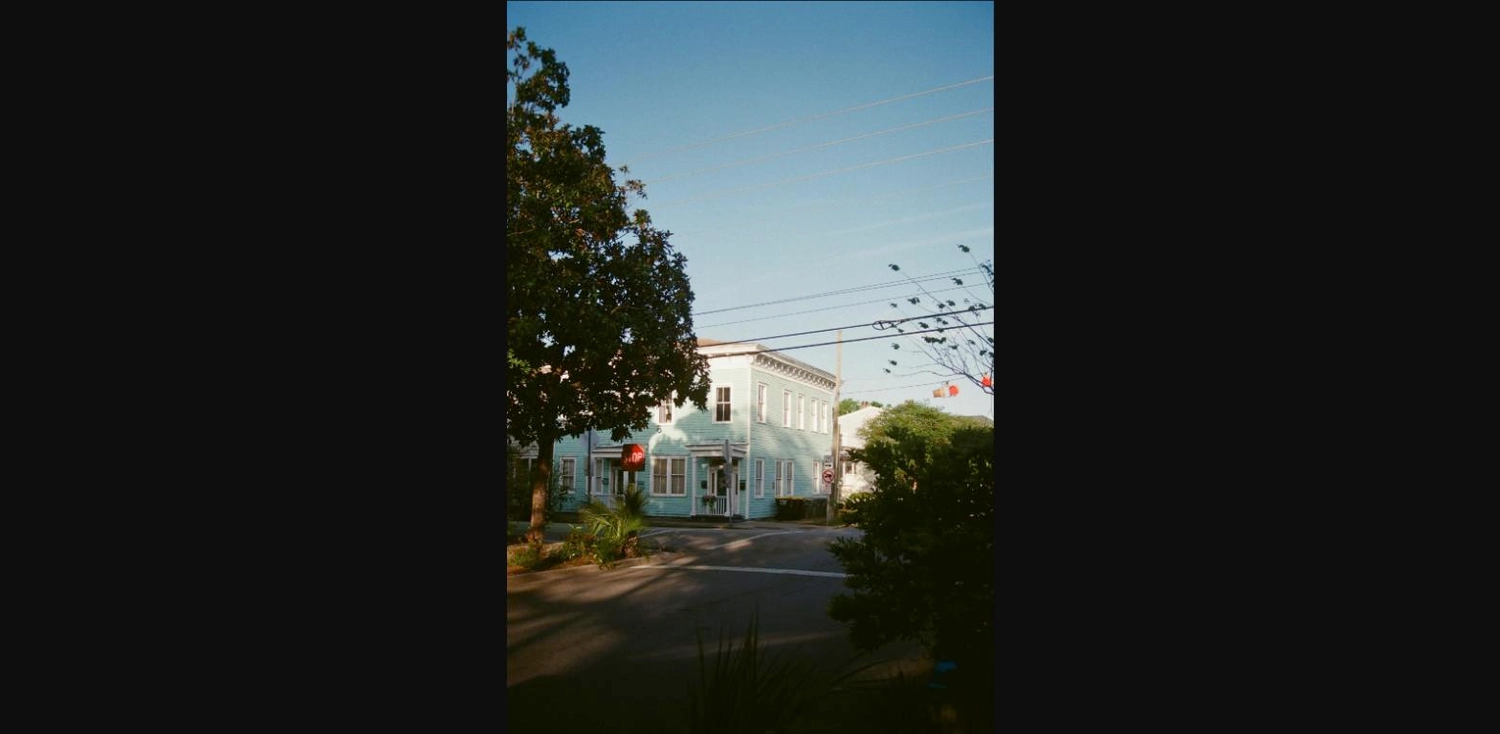
There are two versions of Myrtle Beach. The one visitors see — the strip, the roller coasters, the all-you-can-eat crab legs, the parking lots full of minivans in July — and the one that people who actually live here experience. The gap between those two versions is wider than most people expect. This post is about the second one.
What follows is the honest version. Not a sales pitch. Not a brochure. The things we wish someone had told us before we moved — the good surprises, the real adjustments, and the genuine reasons that people who come here tend to stay.
Most people moving to Myrtle Beach are thinking about summer. They imagine beach days and warm nights and a lifestyle that looks like a vacation. What they do not fully grasp until they live here is that the Grand Strand has four genuinely distinct seasons — and three of them are spectacular.
Ask any long-term resident what their favorite month is and you will almost universally hear the same answer: October. The tourists have gone home. The weather is perfect — high 70s, low humidity, blue skies that feel custom-ordered. The beach is empty. The restaurants have their tables back. The roads exhale. The entire community settles into a version of itself that visitors never get to see.
November through April is when locals actually use everything they moved here for. The golf courses are uncrowded. The restaurants are fully staffed and unhurried. The kayaking, the hiking, the simple act of driving through Murrells Inlet or taking a walk through Conway's historic district — these things are available and genuinely enjoyable in a way that summer crowds can obscure.
Summer is real. It is hot, it is crowded, and it is genuinely chaotic on certain roads. But it is also only about 90 days of a 365-day year. What catches a lot of people off guard is the dirty secret that almost every long-term resident will eventually tell you: a lot of people who move here spend their first summer asking if they made a mistake. Then October arrives and they never ask again.
Nobody from out of state knows about Highway 31 before they move here. Every tourist who has ever visited the Grand Strand has spent time sitting in traffic on Kings Highway or Ocean Boulevard behind a line of cars trying to reach the beach. That is the Myrtle Beach that visitors know.
Locals discovered Highway 31 — the Carolina Bays Parkway — within their first week and most of them never looked back. It runs parallel to the coast and bypasses the entire tourist corridor. Clean, fast, minimal lights. When your dentist appointment or your grocery run or your trip to Home Depot would have taken 40 minutes in tourist traffic, Highway 31 makes it a 15-minute errand.
Understanding the Grand Strand's road geography — 31, the 17 Bypass, 501 into the interior — is what separates locals from visitors faster than almost anything else. Within six months of living here, most residents have developed an efficient routing system that makes the traffic question largely irrelevant. The first summer is still an adjustment. But by year two, most people have learned to treat the tourist corridor the way any city resident treats their city's congested downtown: something you navigate around rather than through.
Visitors eat on the strip. Locals eat everywhere else. This is one of the most consistent pieces of advice that long-term residents give newcomers, and it is genuinely true.
The Grand Strand has a restaurant scene that would hold its own in cities three times its size — if you know where to look. The MarshWalk in Murrells Inlet alone has more waterfront seafood dining than most coastal towns have total restaurants. It is a stretch of connected docks with a half-dozen places to eat, all looking out over the marsh at sunset. It is one of the genuinely spectacular things about living here that most tourists never discover.
Market Common has a walkable dining and retail strip that surprises almost everyone who discovers it. It is built on a former Air Force base and has the feel of a neighborhood main street — independent restaurants, boutiques, outdoor seating — that is utterly unlike the tourist corridor a few miles away.
Conway's historic downtown has local spots that have nothing to do with beach tourism. Vietnamese, Thai, craft beer, farm-to-table — the kind of dining that usually requires a trip to a major city. The perception that Myrtle Beach is all chain restaurants and tourist traps is a visitor's perception. It is not a resident's reality.
One of the things that surprises people most about living on the Grand Strand is how little it feels like moving somewhere foreign. The newcomer experience here is unusually easy, and the main reason is that almost everyone around you also relocated — from New York, New Jersey, Ohio, Pennsylvania, the Carolinas, Virginia. You are almost never the only newcomer on the block.
There is a shared experience of having made the same choice that creates connection quickly. People who moved here know what it is like to start over in a new place, to not know the road names or the local legends or the best place to get a tire patched on a Sunday. They are unusually welcoming to new arrivals because they were new arrivals themselves not that long ago.
This is not universally true in every pocket of the Grand Strand. There are multigenerational local families with deep roots here, and the culture in Conway or Pawleys Island is different from the culture in the newer resort communities. But the overall atmosphere across the Grand Strand is notably open to new arrivals in a way that not every relocation destination manages to be.
Coastal South Carolina has bugs. This is not a dealbreaker for the vast majority of people who move here. But it is a genuine adjustment for people coming from the Northeast or Midwest, and the number of newcomers who are caught off guard by it is high enough that it deserves its own section.
Palmetto bugs — which are what locals call very large cockroaches in order to make themselves feel better about the situation — exist. They are real. Mosquitoes are seasonal but meaningful, particularly in the spring and fall. No-see-ums, tiny biting gnats common near marsh areas, can be aggressively unpleasant at dusk during warm months if you are outside without protection.
Here is the good news: pest control service here is affordable, effective, and used by virtually every household as a routine quarterly expense rather than an emergency measure. Budget approximately $100–$150 per quarter for a good pest service and you will barely notice you live in a subtropical coastal environment. Skip it and you will notice. It is simply a line item in the cost of living here, like hurricane insurance or sunscreen — just part of what it means to live on the coast.
People hear about South Carolina's low property taxes and favorable treatment of retirement income before they move here. But the reality of what those numbers mean in daily life takes a while to fully land. It is one thing to read about it on a website. It is another thing to actually experience it.
When the first property tax bill arrives and it is $1,100 instead of $9,000 — that is when it becomes real. When you file your first South Carolina tax return and realize your pension or Social Security income is treated completely differently than it was in New Jersey or New York — that is when the financial case for moving stops being theoretical and starts being something you can actually feel in your bank account.
The cost of living advantages here are not marketing. They are math. Combined with home prices that remain well below comparable coastal markets in Florida, the Carolinas, and the Mid-Atlantic — the financial picture for people relocating from higher-cost states is consistently compelling. For the full breakdown, see our complete cost of living guide for Myrtle Beach SC.
A surprisingly common thing that long-term residents say, usually with a laugh, is that they occasionally miss having weather that forces them inside. Not the cold. Not the snow. Just the excuse.
When it is 72 degrees and sunny in February and you have no legitimate meteorological reason to stay on the couch watching football, there is a mild social pressure — self-imposed, mostly — to actually go outside and use the place you moved to. The golf course is there. The beach is there. The kayaking is there. February is not fighting you.
For people who built their winters around hibernation — the wood stove, the Sunday soup, the perfectly guilt-free indoor weekend — the absence of that forcing function is a genuine adjustment. It is not a real complaint, obviously. Seventy-two and sunny in February is objectively better than a wind chill of twelve. But the first winter here, many people find themselves inventing reasons to stay in because they no longer have any.
Let us be honest about summer. June through August on the Grand Strand is genuinely intense. Traffic on the main corridors — especially Ocean Boulevard and Kings Highway near the beach — can be brutal in ways that test patience. Beach parking is a project. Grocery stores on Saturday mornings are chaotic. Restaurant waits are long. The population swells by hundreds of thousands of visitors and the infrastructure strains under the load.
If you live in the tourist corridor — close to the beach, on or near the main drag — the intensity is significantly higher. If you live in a community that is a few miles inland, or in Murrells Inlet, or in Conway, the summer experience is considerably more manageable. Location within the Grand Strand makes an enormous difference in how summer actually feels to live through.
Most people who have lived here five-plus years describe summer as something they have simply learned to work around. Plan errands early. Avoid peak beach traffic. Lean into weeknight dining instead of weekend. Accept that certain roads are off-limits on summer weekends and route accordingly. By October, every one of them remembers exactly why they live here. The test has a known answer, and most people who stick it out get it right.
The Grand Strand is not perfect. No place is. The summer traffic is real, the bug situation requires management, and there are things visitors see and residents know that do not quite match up. Anyone who tells you otherwise is either selling something or hasn't lived through a July weekend on Ocean Boulevard.
But the people who move here and stay — and there are a lot of them — will tell you consistently that the honest version of living in Myrtle Beach is still better than the brochure version of living almost anywhere else they considered. The mild winters, the favorable tax structure, the cost of living, the water access, the golf, the food, the community of fellow transplants who all made the same choice — it adds up to something that is genuinely hard to find anywhere else on the East Coast at this price point.
If you are considering a move here, we have put together some of the most helpful resources we know of:
Most long-term residents describe a split experience — summers are intense and require adjustment, but the other nine months are genuinely exceptional. The financial case, the weather, and the community consistently outweigh the summer crowding in long-term resident satisfaction. The most common phrase you will hear from people who have lived here for years: "I wish I had moved sooner."
Yes — with the caveat that summer requires a different mindset than the rest of the year. Residents who lean into the off-season lifestyle, learn the local road network, and build their routines around avoiding peak tourist activity tend to be the most satisfied. The people who struggle most are those who expected every month to feel like an uncrowded vacation.
Summer traffic and crowding, seasonal bug activity, hurricane season awareness, and car dependency are the most commonly cited genuine downsides. The area is not walkable in the traditional sense, and you will need a car for almost everything. None of these are dealbreakers for most residents but all are real considerations worth understanding before you move.
Yes — see the full breakdown at our Myrtle Beach cost of living guide. The combination of low property taxes, favorable treatment of retirement income, and home prices well below comparable coastal markets makes the financial case consistently strong. For people relocating from high-tax states in the Northeast, the difference is often dramatic.


